
The Power of Plasma Cutting in Custom Metal Art

Updated: 4 days ago
What Is Plasma Cutting?
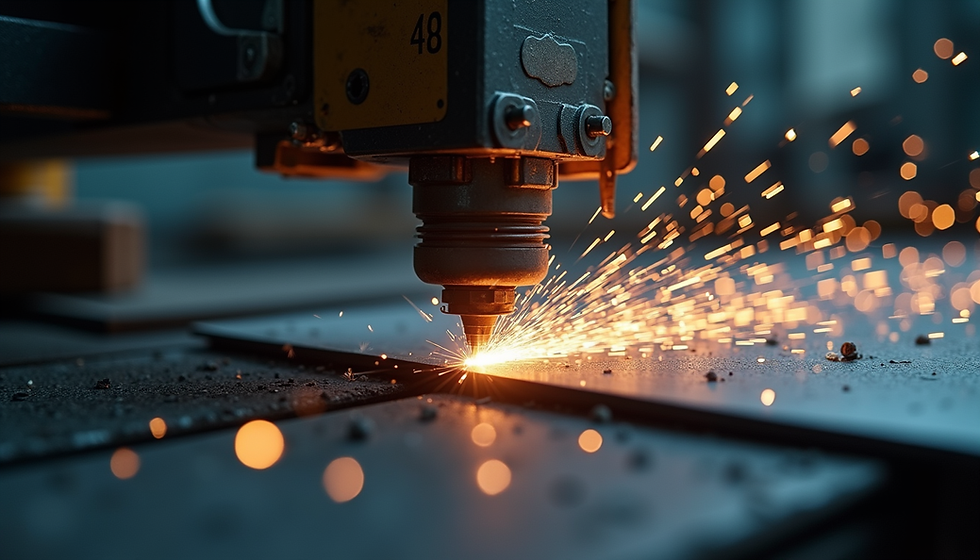
Plasma cutting is a process that uses a high-velocity jet of ionized gas, known as plasma, to cut through electrically conductive materials such as steel, aluminum, brass, and copper. The plasma is created by heating a gas (usually compressed air, nitrogen, or oxygen) to extremely high temperatures, which ionizes the gas and turns it into a superheated, electrically conductive state.
This plasma jet melts the metal at the cutting point, and the force of the gas blows the molten metal away, creating a clean cut. The process is fast, precise, and capable of cutting through thick metal sheets that would be difficult or slow to cut with traditional methods.
How Plasma Cutting Works
The plasma cutting system consists of several key components:
Power Supply: Provides the electrical energy needed to create and maintain the plasma arc.
Plasma Torch: Directs the plasma jet onto the metal surface.
Gas Supply: Delivers the gas that becomes ionized into plasma.
Control System: Regulates the cutting parameters such as current, gas flow, and torch movement.
Here’s a step-by-step overview of the plasma cutting process:
Starting the Arc: The power supply sends an electrical current through the torch, ionizing the gas and creating the plasma arc.
Cutting the Metal: The plasma jet reaches temperatures up to 30,000°F (16,650°C), melting the metal where the torch is directed.
Blowing Away Molten Metal: The high-speed gas flow removes the molten metal, leaving a clean cut edge.
Moving the Torch: The torch moves along the desired cutting path, controlled manually or by CNC (computer numerical control) for precision.
This process allows for rapid cutting with minimal heat distortion, making it ideal for detailed and intricate designs.
Advantages of Plasma Cutting for Custom Metal Art
Plasma cutting offers several benefits that make it a preferred method for artists working with metal:
Precision and Detail
Plasma cutters can produce sharp, clean edges with minimal dross (residual slag). This precision allows artists to create intricate patterns, fine details, and complex shapes that would be difficult with other cutting methods like oxy-fuel or mechanical cutting.
Speed and Efficiency
The plasma cutting process is much faster than traditional cutting techniques, especially on thicker metals. This speed helps artists complete projects more quickly without sacrificing quality.
Versatility in Materials and Thickness
Plasma cutting works on a wide range of conductive metals, including stainless steel, mild steel, aluminum, and copper. It can cut through metal thicknesses ranging from thin sheets to several inches thick, providing flexibility for various art projects.
Cost-Effectiveness
Compared to laser cutting, plasma cutting equipment is generally more affordable and easier to maintain. This makes it accessible for individual artists and small workshops.
Ease of Use and Automation
Modern plasma cutters often come with CNC capabilities, allowing artists to program designs and automate the cutting process. This reduces manual labor and increases repeatability for multiple copies of the same design.
Practical Applications in Metal Art
Plasma cutting has transformed the way metal artists approach their craft. Here are some examples of how it is used:
Wall Art and Sculptures: Artists can cut detailed silhouettes, geometric patterns, or abstract shapes to create striking wall hangings or freestanding sculptures.
Custom Signs: Businesses and individuals use plasma cutting to produce personalized metal signs with intricate lettering and logos.
Furniture and Decor: Plasma-cut metal panels add decorative elements to furniture, gates, railings, and room dividers.
Jewelry and Small Accessories: With fine control, plasma cutting can be used to create unique metal jewelry pieces and accessories.
Tips for Artists Using Plasma Cutting
To get the best results from plasma cutting, artists should consider the following:
Choose the Right Gas: Different gases affect cut quality and speed. For example, nitrogen produces clean cuts on stainless steel, while compressed air is a cost-effective option for mild steel.
Optimize Cutting Speed: Moving the torch too fast or too slow can affect edge quality. Practice and testing help find the ideal speed for each material and thickness.
Use Proper Safety Gear: Plasma cutting produces bright arcs, hot metal, and fumes. Wear protective eyewear, gloves, and ensure good ventilation.
Design with Cutting in Mind: Avoid overly thin or fragile sections in designs, as plasma cutting can weaken these areas.
Maintain Equipment: Regularly check and replace consumables like nozzles and electrodes to ensure consistent cutting quality.
Inspiring Examples of Plasma-Cut Metal Art
Many artists have embraced plasma cutting to push the boundaries of metal art:
Nature-Inspired Panels: Artists create metal panels featuring leaves, trees, and animals with fine details that capture natural textures.
Abstract Geometric Sculptures: Plasma cutting enables the creation of complex interlocking shapes and layered designs.
Custom Architectural Features: Plasma-cut metal screens and railings add artistic flair to buildings and outdoor spaces.
Personalized Gifts: Plasma cutting allows for custom names, dates, and messages to be cut into metal for unique keepsakes.
The Future of Plasma Cutting in Metal Art
As technology advances, plasma cutting continues to evolve. Newer machines are becoming more efficient and user-friendly. This opens up even more possibilities for artists. I am excited to see how this technology will shape the future of metal art.
Final Thoughts on Plasma Cutting for Metal Art
Plasma cutting offers artists a powerful way to bring their metal art visions to life. Its combination of speed, precision, and versatility makes it suitable for a wide range of creative projects. Whether you are a hobbyist or a professional metal artist, exploring plasma cutting can open new doors for your work.
If you are interested in trying plasma cutting, consider starting with small projects and experimenting with different materials and designs. With practice, you can master this technique and create stunning custom metal art that stands out.
For those who want to explore more about plasma cutting and its applications, check out Sparked Metal Works.
Comments