
Breaking Down Metal Fabrication Costs - Your Ultimate Metalwork Pricing Guide

When it comes to custom metal art and fabrication, understanding the costs involved can feel like decoding a complex puzzle. I’m here to simplify that for you. Whether you’re dreaming of a unique metal sculpture or need precise parts for a project, knowing what drives prices helps you plan smart and get the best value. Let’s dive into the world of metal fabrication and break down the costs clearly and confidently.
Your Metalwork Pricing Guide: What Affects the Cost?
Metal fabrication pricing depends on several key factors. Each element adds its own layer to the final price tag. Here’s what you need to know:
Material Type and Quality
The kind of metal you choose matters. Steel, aluminum, copper, and stainless steel all have different price points. For example, stainless steel is durable and corrosion-resistant but costs more than mild steel. The thickness and grade of the metal also impact the price.
Design Complexity
Simple shapes cost less. Intricate designs with detailed cuts, bends, or welds require more time and skill, pushing the price up. Custom artwork or unique patterns demand precision and craftsmanship, which adds value.
Size and Volume
Larger pieces use more material and take longer to fabricate. Small batch or one-off projects often cost more per unit than mass production runs because setup and labor are spread over fewer items.
Finishing and Treatment
Surface finishes like powder coating, painting, or polishing add to the cost. Protective treatments against rust or wear also increase expenses but improve longevity and appearance.
Labor and Equipment
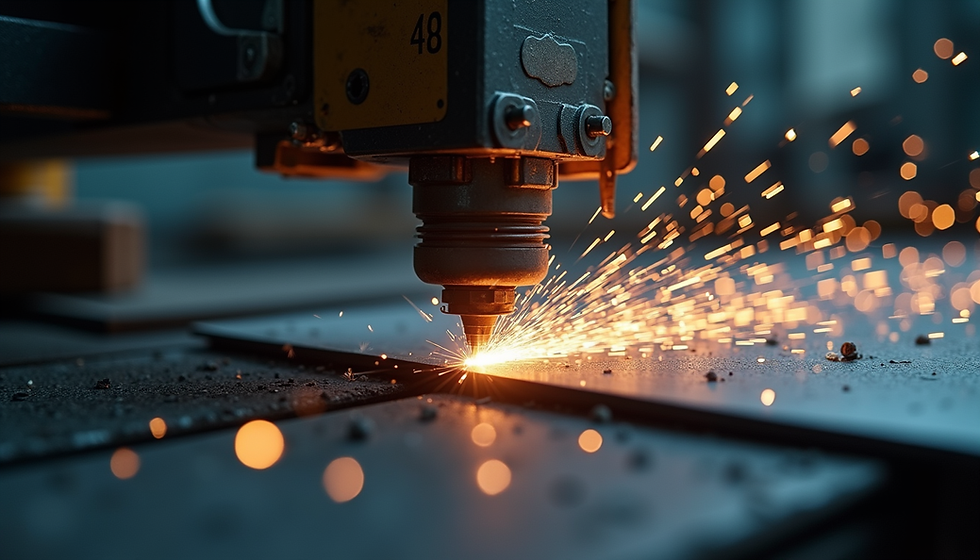
Skilled labor is essential. The more complex the work, the higher the labor cost. Advanced machinery like laser cutters or CNC machines speed up production but come with operational costs.
Understanding these factors helps you anticipate where your budget will go and how to adjust your project scope accordingly.

How much do fabricators cost?
This is the big question. Fabricators charge based on labor hours, material costs, and overhead. Here’s a quick breakdown:
Hourly Rates
Fabricators typically charge between $50 and $150 per hour depending on expertise and location. Specialized work or rush jobs can push rates higher.
Material Markup
Some shops add a percentage markup on materials to cover procurement and waste. This can range from 10% to 30%.
Setup Fees
For custom jobs, expect setup fees to cover machine programming, tooling, and initial testing. These fees vary but usually fall between $100 and $500.
Minimum Charges
Many fabricators have minimum order values to make small jobs viable. This might be $200 or more.
For example, a custom metal sign measuring 24x36 inches in mild steel with powder coating might cost around $600-$900, including materials and labor. A simpler piece with less finishing could be closer to $400.
Knowing these numbers helps you compare quotes and negotiate effectively.
Tips to Manage Your Metal Fabrication Cost
I’ve learned a few tricks to keep costs reasonable without sacrificing quality. Here’s what works:
Plan Your Design Carefully
Avoid last-minute changes. Finalize your design before fabrication starts to prevent costly revisions.
Choose Materials Wisely
Opt for materials that balance durability and price. Mild steel is often a good choice for budget projects.
Simplify Where Possible
Reduce intricate details if they don’t add much value. Simple shapes are faster and cheaper to produce.
Bundle Orders
If you need multiple pieces, order them together. Bulk fabrication lowers per-unit costs.
Ask About Finishing Options
Some finishes cost less but still protect your piece well. Discuss alternatives with your fabricator.
Get Multiple Quotes
Don’t settle on the first estimate. Comparing several fabricators helps you find the best deal.
Communicate Clearly
Provide detailed drawings and specifications. Clear communication avoids misunderstandings and extra charges.
By applying these tips, you can control your budget and still get a stunning custom metal piece.

Why Quality Matters in Metal Fabrication Pricing
It’s tempting to go for the cheapest option, but quality pays off. Here’s why:
Durability
High-quality fabrication means your metal art or parts last longer without damage or corrosion.
Precision
Accurate cuts and welds ensure your piece fits perfectly and looks professional.
Safety
Proper fabrication reduces risks of sharp edges, weak joints, or structural failure.
Aesthetic Appeal
Smooth finishes and clean lines make your metalwork stand out.
Investing in quality craftsmanship means fewer repairs and replacements down the line. It’s a smart choice for both personal and business projects.
Bringing Your Metal Ideas to Life
Custom metal fabrication is an exciting journey. From concept to creation, every step shapes your vision. Understanding the metal fabrication cost helps you make informed decisions and get the best results.
At Sparked Metal Works, we’re passionate about turning your ideas into reality. We combine skilled craftsmanship with transparent pricing to deliver unique, high-quality metal art and fabrication. Whether you want a bold sculpture or precise industrial parts, we’re here to help you every step of the way.
Ready to start your project? Reach out, share your vision, and let’s create something amazing together!
Comments